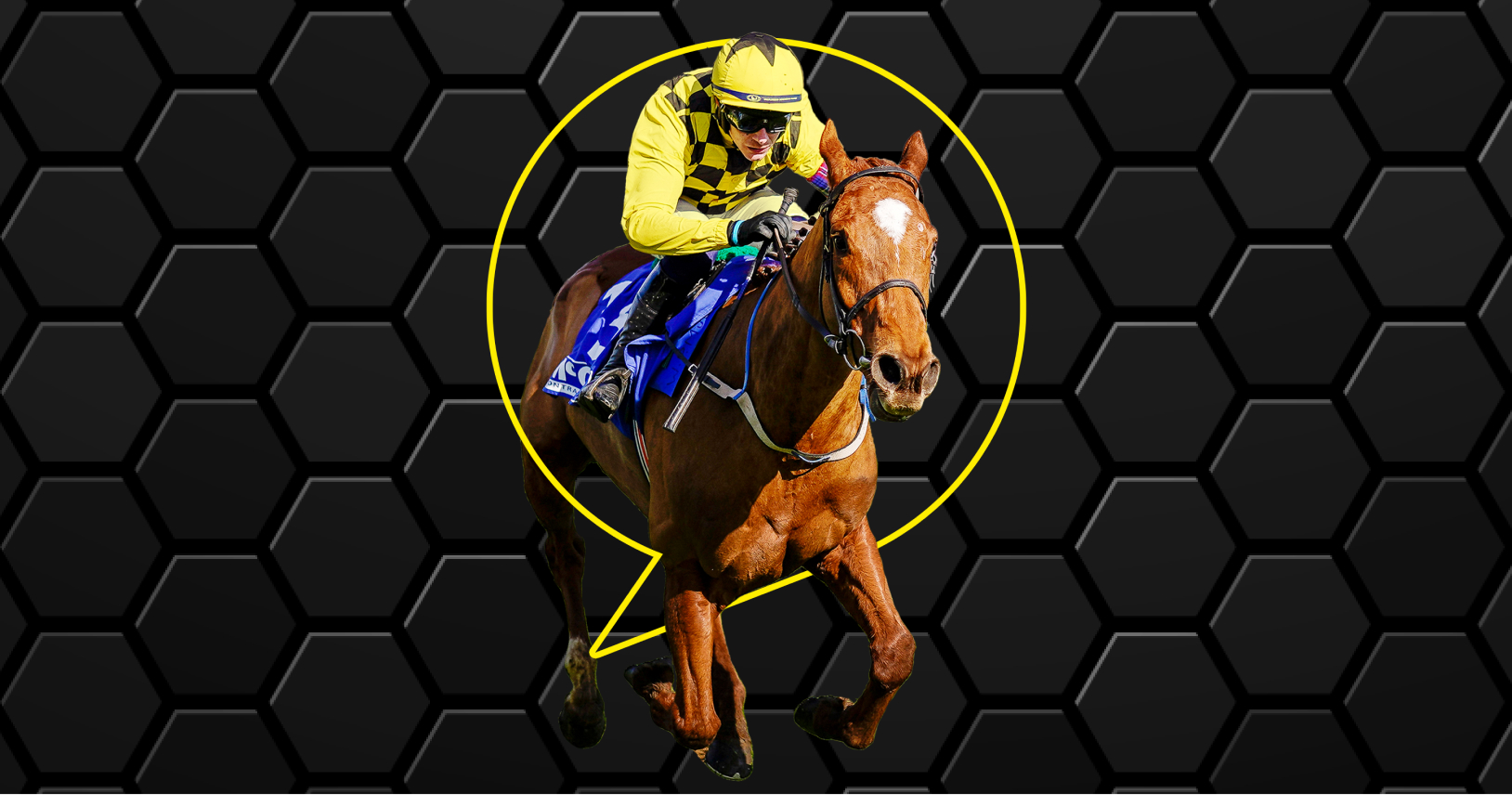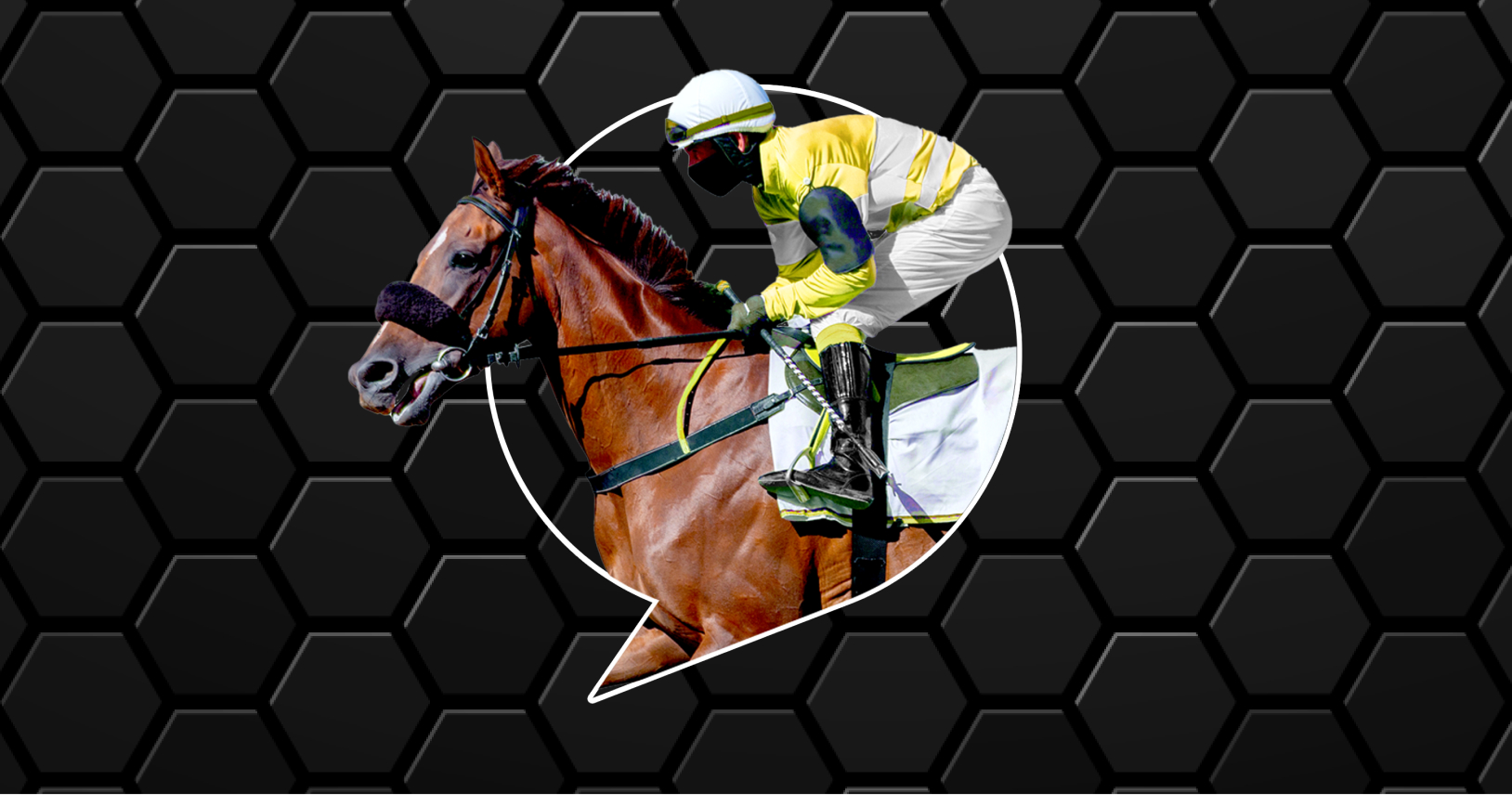
There have been some magical racehorses to grace our racecourses throughout the generations. None more so than this crop of ten contenders who could each be named the best racehorse in the world.
From Secretariat and Red Rum to Kauto Star and Seabiscuit, these names are forever etched in the memory of horse racing fans and bettors alike. Below, we celebrate their careers and explore why each could be considered the most famous race horse in history.
Secretariat
Known as ‘Big Red’ in horse racing circles, US thoroughbred Secretariat is one of the leading lights in the history of the sport. He is the ninth winner of the iconic ‘Triple Crown’ of American horse racing.
Is Secretariat Considered the Greatest Racehorse of All Time?
One of the main reasons why Secretariat is held in such high regard is his speed. In 1973, Secretariat ran the Belmont Stakes – a one-and-a-half-mile race – in only two minutes and 24 seconds. He finished a staggering 31 lengths clear of his nearest rival to bag the Triple Crown in some style.
Secretariat didn’t just win the Triple Crown, he sped to the Triple Crown. He broke speed records in all three of these headline races. This horse was taken to the hearts of the American public. So much so that Walt Disney Pictures would later release a movie celebrating his successes, inspired by William Nack’s 1975 book Secretariat: The Making of a Champion.
What Horse Could Beat Secretariat?
In Secretariat’s prime, it’s hard to imagine him being beaten. He would almost certainly be too big and too quick for any of his rivals. Secretariat was beaten in his final race before the Kentucky Derby, with stablemate Angle Light setting the pace and winning.
Has Any Horse Beaten Secretariat’s Time at the Belmont Stakes?
No. Secretariat’s final time remains a record for the Belmont Stakes at Belmont Park, standing at 2:24 flat.
Man o’ War
Man o’ War is considered by many leading sports publications as a huge rival to Secretariat to be named the best racehorse ever. Sports Illustrated and The Blood-Horse both rated him the finest racehorse in the 20th century, ahead of Secretariat.
Did Man o’ War Ever Win the Kentucky Derby?
Unfortunately for Man o’ War, he was never entered into the Kentucky Derby. There were rumours that owner Samuel Riddle was going to enter him in the 1920 Derby. However, he eventually decided against it, deeming ten furlongs to be too much at such an early stage of his career.
Elsewhere in his career, Man o’ War did win the Preakness Stakes on his debut as a three-year-old, not to mention the Belmont Stakes by a world-record 20 lengths.
Winx
Winx is on the radar of the best race horses of all time too. The Australian thoroughbred shot to stardom as the first horse to bag the Cox Plate on four separate occasions.
What is Winx the Horse Famous For?
Winx is most famous for her performances in the illustrious Cox Plate, but she’s also known for her rock-solid career record with 37 wins in 43 starts. This included 25 Group 1 victories, firmly establishing her as one of the finest middle-distance racehorses from ‘Down Under’.
Kelso
Kelso makes the shortlist of the most famous horses in history as he beat more champion and Hall of Fame horses on the track than any other thoroughbred. That’s despite carrying sizable weight handicaps.
It’s no surprise when you consider Kelso’s grandsire was Man o’ War. Kelso raked in career earnings of almost £2 million for his owners.
Kauto Star
French-bred National Hunt icon Kauto Star was a hugely popular thoroughbred at England’s world-renowned Cheltenham Festival.
Trained by Paul Nicholls, Kauto Star was one of the most dominant forces across two-to-three-mile National Hunt races in the mid-to-late 2000s. In fact, his ability to perform at multiple race distances is why many rate Kauto Star so highly.
In fact, Kauto Star could have had an even bigger career in horse racing had it not been for a serious fall suffered during a routine run at Paul Nicholls’ training yard. On the face of it, the injury didn’t seem bad enough to pull him out of the Cheltenham Gold Cup in 2012, but it transpired the fall had a more detrimental impact than connections envisaged. He was pulled up in the Gold Cup with over a lap to go. Later that year, Kauto Star was retired. He would die three years later in another innocuous fall in his paddock.
How Many Times Did Kauto Star Win the Gold Cup?
Kauto Star won two Cheltenham Gold Cups in 2007 and 2009. In fact, 2007 was a particularly successful time for Kauto Star. He won the King George VI Chase and the Betfair Chase in the same year to claim the Stayers’ Chase Triple Crown and a £1 million bonus for his connections.
Red Rum
Red Rum is held in particularly high regard among British horse racing fans for his heroics in the Aintree Grand National.
How Many Grand Nationals Did Red Rum Win?
Red Rum won back-to-back Grand Nationals in 1973 and 1974. He finished runner-up in both 1975 and 1976 before coming back to win a third and final time in 1977. There wasn’t a dry eye in the house at Aintree that day!
Red Rum was also trained by the well-liked Ginger McCain, who would go on to land a fourth Grand National with Amberleigh House in 2004.
Frankel
Frankel is considered by many to be the best racing horse ever. It’s no surprise when you consider he retired undefeated in 14 races, with career earnings of almost £3 million. Trained by Henry Cecil, he was regularly ridden by jockey Tom Queally.
Why is Frankel Famous?
The World Thoroughbred Racehorse Rankings have Frankel noted as the highest-rated horse ever to be rated since its formation in 1977. His top rating weighed in at 140. His 2000 Guineas win at Newmarket is deemed one of the finest displays at a British race track. Some say Frankel could have fared just as well at a longer trip of 12 furlongs in races like the Prix de l’Arc de Triomphe and the Epsom Derby but, of course, we’ll never know.
Seabiscuit
Despite his small stature, Seabiscuit was one of the most famous racehorses in the US in the 1930s and early 40s. He was named U.S. Horse of the Year in 1938, due largely to defeating 1937 Triple Crown winner War Admiral by four lengths in an exhibition race at Pimlico.
After a serious ligament injury in 1939, there were genuine fears among connections that Seabiscuit would never race again. After almost a year of convalescing, connections opted to take one final shot with Seabiscuit in a premier race, this time in the Santa Anita Handicap, with its £95,000 first prize. Seabiscuit showed tremendous speed and courage in the closing stages to outsmart his stablemate Kayak II and win to the delight of the crowds.
What Made Seabiscuit So Fast?
Seabiscuit had a physiological difference to many other race horses which gave him his unique power. His sloped croup meant his femur was longer than usual, so his hind legs were able to stretch further when galloping in full stride, eating up the ground quicker than his rivals.
Kincsem
Hungarian thoroughbred horse Kincsem may have raced over 150 years ago, but his name remains etched in the memory of horse racing enthusiasts. He remains a national icon in Hungarian sport.
Which Horse Never Lost a Race?
Kincsem is a prime example of a horse who never lost a competitive race. Black Caviar and Frankel also lay claims to being unbeaten. However, Kincsem was undefeated in a staggering 54 races. Of course, it’s unclear about the competitiveness of these races compared with the modern era of horse racing, but she’s still one of the greatest racehorses the sport has ever seen.
Black Caviar
We just mentioned the Peter Moody-trained Black Caviar in the last paragraph, so it’s easy to see why this mare is a consideration for the tag of the best racing horse ever. Black Caviar has 15 Group 1 victories to her name, which is a record in Australian horse racing. The dark bay horse’s biggest wins include the Diamond Jubilee Stakes at England’s Royal Ascot festival. She was also the WTRR World Champion Sprinter for four consecutive years between 2010 and 2013.
Was Black Caviar Ever Beaten?
No, Black Caviar had an unblemished record, just like Frankel and Kincsem. In 22 of her 25 races, she was ridden by jockey Luke Nolen. She retired in April 2013 with almost £8 million in career earnings.